When the Tassel Turns:
The Identity Gap No One Talks About

I still remember my own graduation day from Wentworth Institute of Technology.
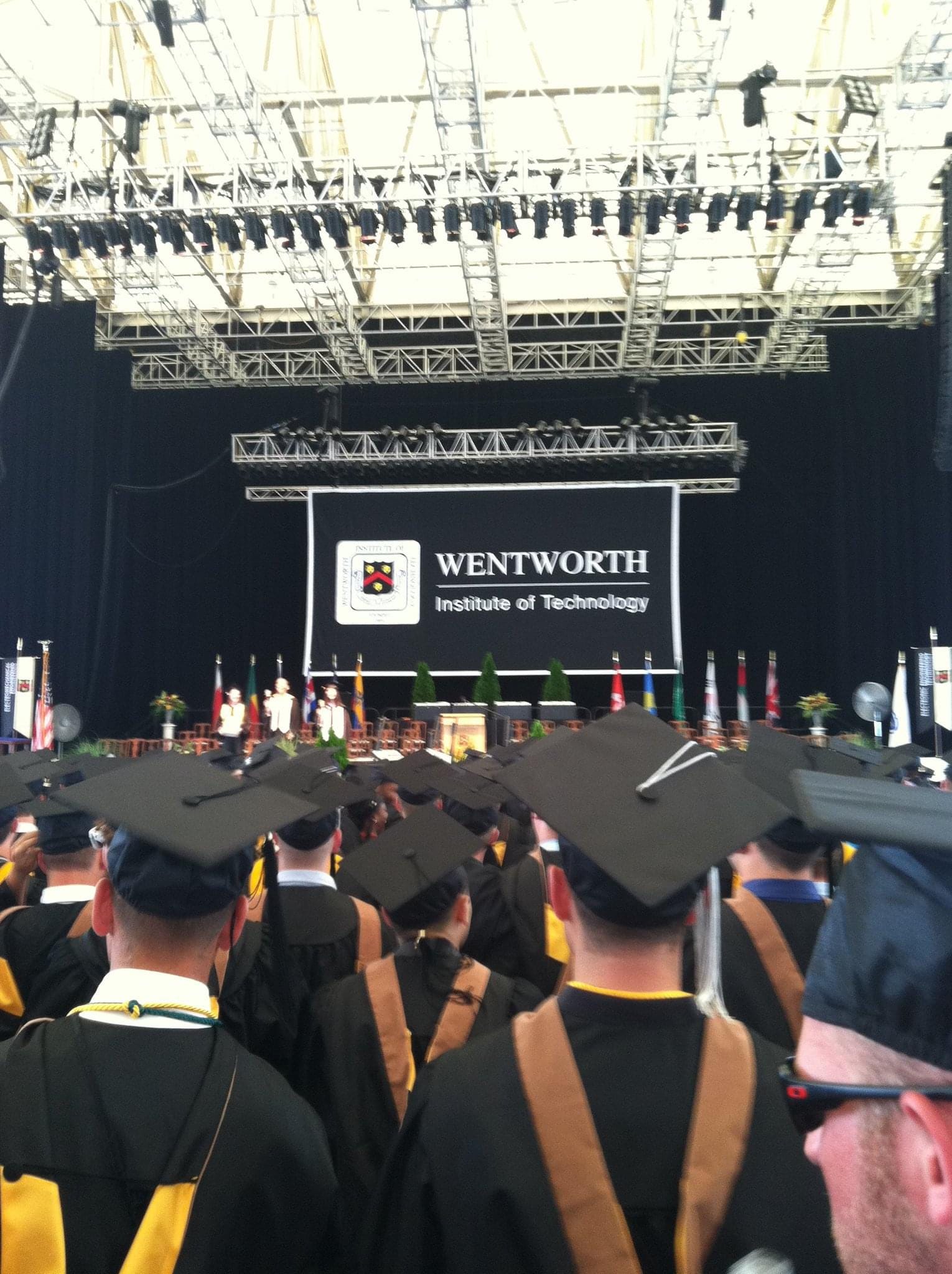
I’d been a student in the construction program, working my way through the grind of classes, projects, and the occasional all-nighter, fueled by a mix of caffeine and stubbornness. For years, my life had been built around deadlines, schedules, and the steady rhythm of semesters. I knew where to be, what to do, and how to measure whether I was succeeding.
And then, one day, it all stopped.
I crossed the stage, shook hands, and moved the tassel. My family cheered, the cameras clicked, and I smiled for every single picture. But beneath the joy was something I couldn’t name yet; a strange emptiness, a feeling that the role I’d been living in for so long had suddenly disappeared.
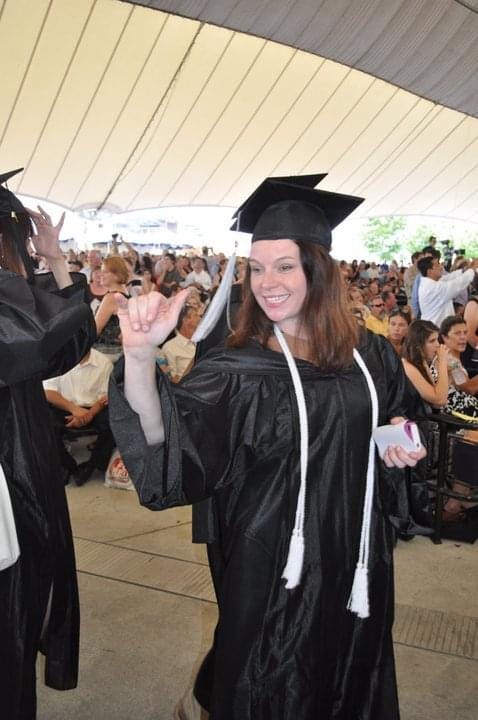
I wasn’t “a student” anymore. Something I learned to be proud of and something many said I could never be. I also wasn’t measured in grades or credits. I had a degree in hand, but no syllabus to tell me what came next.
That moment came back to me recently when my colleague, Professor Mozill at Wentworth Institute of Technology, told one of his classes:
“Sometimes you cross a line and you can never go back.”
SO much wisdom in that advice; for life, for relationships, professionally - you name it.
I didn’t hear it firsthand. I read it in a LinkedIn post from Dylan Burritt, a Wentworth student I don’t teach, who had just turned in his final assignment recently, picked up his cap and gown, and walked out of his last class. Eighteen years of being a student over - just like that.
He thought he’d feel amped. Instead, he felt sad.
That sadness is not unusual. It’s just rarely acknowledged.
The Unspoken Whiplash of Graduation
For many students, their identity has been built - brick by brick - around being a student. The grades. The routines. The status of being an athlete, a scholar, a leader. For eighteen years, their “job” has been to be a student. Every goal was tied to an assignment, a semester, a season.
And then, one day in May or August, it’s over.
If you’ve ever had your whole sense of self wrapped around a role, and then suddenly that role no longer exists, you know the feeling. It’s a mix of relief, excitement, and a quiet panic that whispers: If I’m not this anymore… then who am I?
I’ve now watched three of my four kids cross their own finish lines - two from college and graduate school, and one from high school who, in only two short years, will reach his own college milestone. Each time, I’ve seen the same pattern I felt myself after graduating: the joy, the pride, and then, quietly, the “now what?”
As a mom, it’s been another layer of awareness for me. No matter how prepared they seemed on paper; degrees earned, résumés polished, next steps in motion, there were still moments of uncertainty and disorientation that followed. It’s made me realize even more that we do not support these young adults the way we think we do when they graduate. We send them off with a handshake and a celebration, but not always with the tools or scaffolding to navigate the identity shift that’s coming.

Why This Hits Harder Than High School Graduation
We pour resources into helping students transition from high school to college with move-in days, orientations, peer mentors and weeks of programming. We expect that leap to be challenging, so we build scaffolding.
The transition out of college? That’s often a handshake, a diploma, and a “good luck out there.”
And yet, it’s arguably a bigger leap - especially for students without hands-on work experience like internships, co-ops, service learning, or industry projects. Without that exposure, they haven’t had the chance to build a professional identity outside of “student.” When the title disappears, so does the structure that kept them moving forward.
The Executive Function Cliff
This isn’t just about emotions. It’s about executive function (EF): the brain’s management system for planning, time management, task initiation, emotional regulation, and adaptability.
College scaffolds a lot of those functions for students:
Class schedules dictate where and when to be
Syllabi outline deadlines and priorities
Advisors map the academic journey
Coaches keep athletes accountable
When that scaffolding vanishes, grads have to self-manage in ways they may never have practiced. For those with weaker EF skills - or those who are neurodivergent - this can feel like stepping off a curb you didn’t see. The ground was there… and now it’s not.
Why Experiential Learning Matters So Much
Experiential learning; through co-ops, internships, fieldwork, or real-world projects, isn’t just about “getting a foot in the door.” It’s about:
Testing identity before the tassel turns. Students get to see themselves in a role outside of “student,” which softens the identity shift.
Building EF skills in the wild. Real-world work demands self-management, adaptability, and communication skills that no syllabus can fully replicate.
Making professional connections. Relationships built during experiential learning can become mentors, references, or job leads anchoring students after graduation.
Failing safely. A bad fit in an internship teaches more about career direction than a perfectly smooth experience.
The students I’ve seen transition most smoothly out of college almost always have multiple points of experiential learning under their belt. They’ve had a chance to rehearse the leap before they have to make it.
The Three Audiences Who Need to Step Up
Before we can fix this gap, we have to be honest about who has the power to close it. The truth is, no single person or institution can carry the whole weight of helping graduates navigate this identity shift. It’s shared work and three groups in particular have the most influence over whether a student walks into their next chapter prepared, confident, and supported.
Educators
Our responsibility doesn’t end with the last grade we post.
Embed self-reflection and identity work into curricula.
Push students toward experiential learning early don’t wait until senior year.
Be explicit about EF skill development. Help students practice planning, adaptability, and decision-making in low-stakes environments before they’re on their own.
Parents
The identity shift hits hard at home, too.
Encourage exploration outside of academics; part-time jobs, volunteering, leadership roles, creative pursuits.
Normalize failure and change of direction. The goal is adaptability, not perfection.
Talk openly about values, strengths, and interests as a foundation for post-college life.
Employers
If you hire new grads, you’re part of this transition.
Offer structured onboarding with clear expectations.
Pair them with mentors who can model both the work and the unwritten rules of your workplace.
Remember that a new grad may be experiencing their first “identity free fall.” Support in those first 90 days can be the difference between thriving and quitting.
The Work Beyond the Degree
After years of teaching, coaching, and advising, I’ve learned this isn’t about telling students to “toughen up.” It’s about preparing them for a shift in identity as significant as the degree they’re earning.
Self-discovery work shouldn’t be an afterthought. It should be built into the educational experience:
Who am I without grades or a major?
How do I define success without external measures?
What skills will carry me forward no matter the role?
Because when the tassel turns, the line is crossed. And you can’t go back. But if we’ve done our jobs; as educators, parents, and employers, our graduates won’t just step off into the unknown. They’ll know exactly how to take the next step forward, grounded in who they are, not just what they’ve achieved.
If you’ve read this far, you’re already someone who cares about what happens after the cap toss.
So here’s my ask: if you’re an educator, make sure your students are building skills and identities that will outlast their GPA.
If you’re a parent, give your kids room to try, fail, and redefine themselves before the ink dries on their diploma.
And if you’re an employer, remember you may be meeting someone in the middle of the biggest identity shift of their life; be the mentor you wish you had. Graduation will always be an ending, but it can also be the start of something stronger, if we all choose to show up for that messy, important middle.